By Charlie Nash
The Variety of Life on Earth
An easy-to-understand guide to biodiversity — what it is, why it's important, and why we need to protect it.
What is Biodiversity?
Simply put — biodiversity is the variety of all living things on Earth. Scientists break it down into three main types.
Species Diversity
The number of different species in an area. A rainforest has thousands of species — plants, insects, birds, and mammals all living together.
Genetic Diversity
The variety of genes within a species. Different genes help organisms adapt to changes and survive diseases — like different breeds of dogs.
Ecosystem Diversity
The variety of ecosystems — forests, oceans, deserts, wetlands. Each one supports different plants and animals adapted to live there.
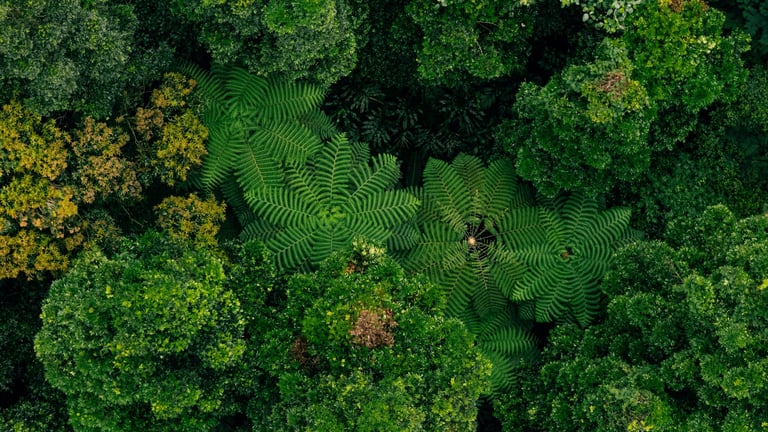
A Rainforest Ecosystem
Rainforests are the most biodiverse places on Earth. They cover just 6% of the planet's land but are home to more than half of all plant and animal species.
- Home to over 1,300 butterfly species in just one reserve
- A single tree can host over 1,000 different insect species
- 25% of modern medicines come from rainforest plants
Why Does Biodiversity Matter?
Biodiversity isn't just nice to have — it keeps the planet working. Here's how it affects us every day.
Clean Air & Water
Plants produce the oxygen we breathe. Forests and wetlands filter our water naturally, removing pollutants as water flows through.
Food & Medicine
Bees and other pollinators help grow 75% of our food crops. Many medicines — like aspirin and cancer treatments — originally came from plants.
Climate Protection
Healthy ecosystems absorb carbon dioxide from the atmosphere. Forests and oceans are the planet's biggest carbon sinks, fighting climate change.
Resources & Economy
Fishing, farming, forestry, and tourism all depend on healthy ecosystems. Millions of jobs worldwide rely on biodiversity.
What's Threatening Biodiversity?
Species are going extinct at an alarming rate. Here are the five main causes — all connected to human activity.
Habitat Loss
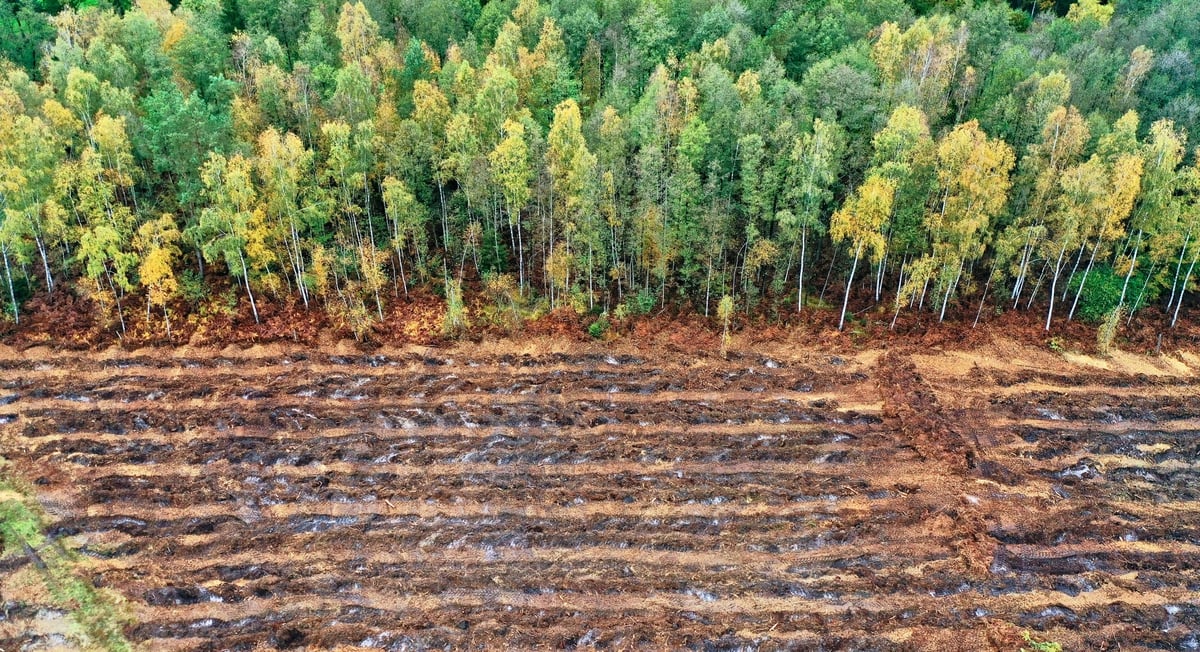
Forests, wetlands, and grasslands are cleared for farms, cities, and roads — destroying animal homes.
Climate Change
Rising temperatures and extreme weather make it hard for species to survive where they used to live.
Pollution
Plastics, chemicals, and waste harm wildlife. Marine animals often mistake plastic for food.
Overexploitation
Overfishing and hunting take animals faster than they can reproduce and recover.
Invasive Species
Species moved to new areas outcompete native animals and plants for food and space.
A Closer Look: Coral Reefs
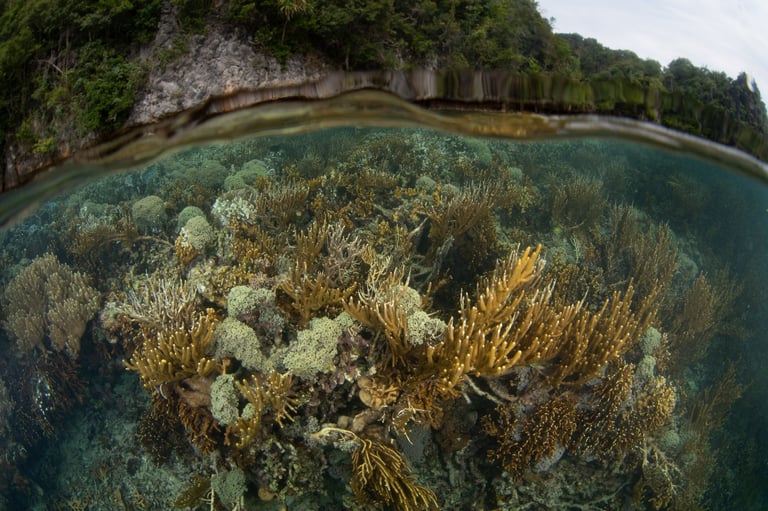
Coral reefs are called the rainforests of the sea. They cover less than one percent of the ocean but host about twenty-five percent of all marine species. Fish, crabs, and sea turtles depend on reefs for food and shelter.
Reefs protect coastlines and provide food and income for millions of people. But rising ocean temperatures cause coral bleaching — corals turn white and die. Scientists estimate half of all reefs have already been lost.
Marine protected areas help — limiting overfishing and pollution allows reefs to recover. Conservation works when given a chance.
How Can We Help?
Protecting biodiversity isn't just for scientists and governments. There are simple things everyone can do.
Plant Native Species
Native plants support local wildlife like birds, bees, and butterflies — much better than exotic garden plants.
Reduce, Reuse, Recycle
Less waste means less pollution in our oceans and less habitat destroyed for landfills and mining.
Choose Sustainable Food
Look for sustainably caught fish and locally grown food to reduce pressure on wild populations.
Learn & Share
The more people understand biodiversity, the more they care. Share what you've learned from this project!
Biodiversity by the Numbers
Estimated species on Earth — and we've only discovered about 1.2 million of them
Of Earth's land species live in forests, yet forests cover only 31% of land
Species are currently at risk of extinction due to human activities
Where to Learn More
These trusted sources were used to research this project:
This website was created as a Grade 11 Biology educational project.